


PRODUCTS
‹
›
‹
›
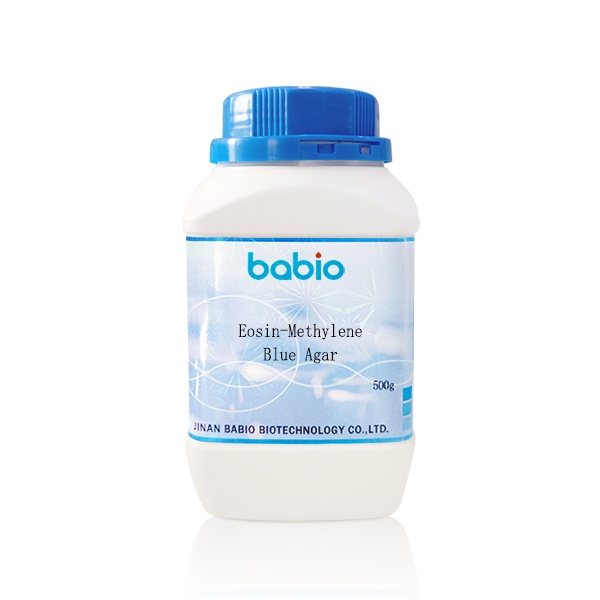
Eosin-Methylene Blue Agar (EMB Agar)
Eosin-Methylene Blue Agar (EMB Agar) is a weakly selective and differential culture medium widely used in microbiological laboratories. It is primarily designed for the isolation and differentiation of intestinal pathogenic bacteria, especially Escherichia coli. With a formulated combination of nutritional components and dual indicator dyes, it enables distinct colonial differentiation based on microbial fermentation characteristics. The medium features stable buffering performance, clear colony chromogenic differentiation and reliable screening effect, ideal for routine isolation and identification of enteric bacteria in water quality testing and microbial analysis.
Inquiry
Product Description
Purpose
It is a weakly selective medium used for the isolation of intestinal pathogenic bacteria, especially Escherichia coli strains.
Detection Principle
Peptone serves as the basic nutritional component, providing nitrogen sources and essential nutrients required for bacterial growth. Lactose acts as a fermentable carbon source for biochemical differentiation of enteric bacteria. Eosin and methylene blue function simultaneously as selective inhibitors and pH indicators. Under acidic conditions, the two dyes form precipitates, producing characteristic colonies with black centers and metallic luster or matte appearance.
Eosin is an acidic dye while methylene blue is a basic dye. When bacteria decompose lactose and produce acid, the bacterial surface carries positive charges and binds to negatively charged eosin, staining the colonies pink. In contrast, bacteria that generate alkaline metabolites carry negative charges and bind to positively charged methylene blue, forming blue colonies. A high level of acid production leads to dye crystallization and the formation of distinctive metallic luster on colonies. Dipotassium hydrogen phosphate maintains a stable buffering system to stabilize the pH environment during bacterial culture, and agar acts as the solidifying agent for the medium.
Usage Method
Weigh 37.4g of the medium powder, add it into 1000ml of distilled water, and heat with continuous stirring until fully dissolved. Dispense the solution into Erlenmeyer flasks, sterilize by autoclaving at 121℃ for 15 minutes, and set aside for subsequent use.
Online Message
Products Recommended


Ask For a Quote
Please give us a message